The Journal · October 2, 2026
Goose Down vs Duck Down: Which Keeps You Warmer?
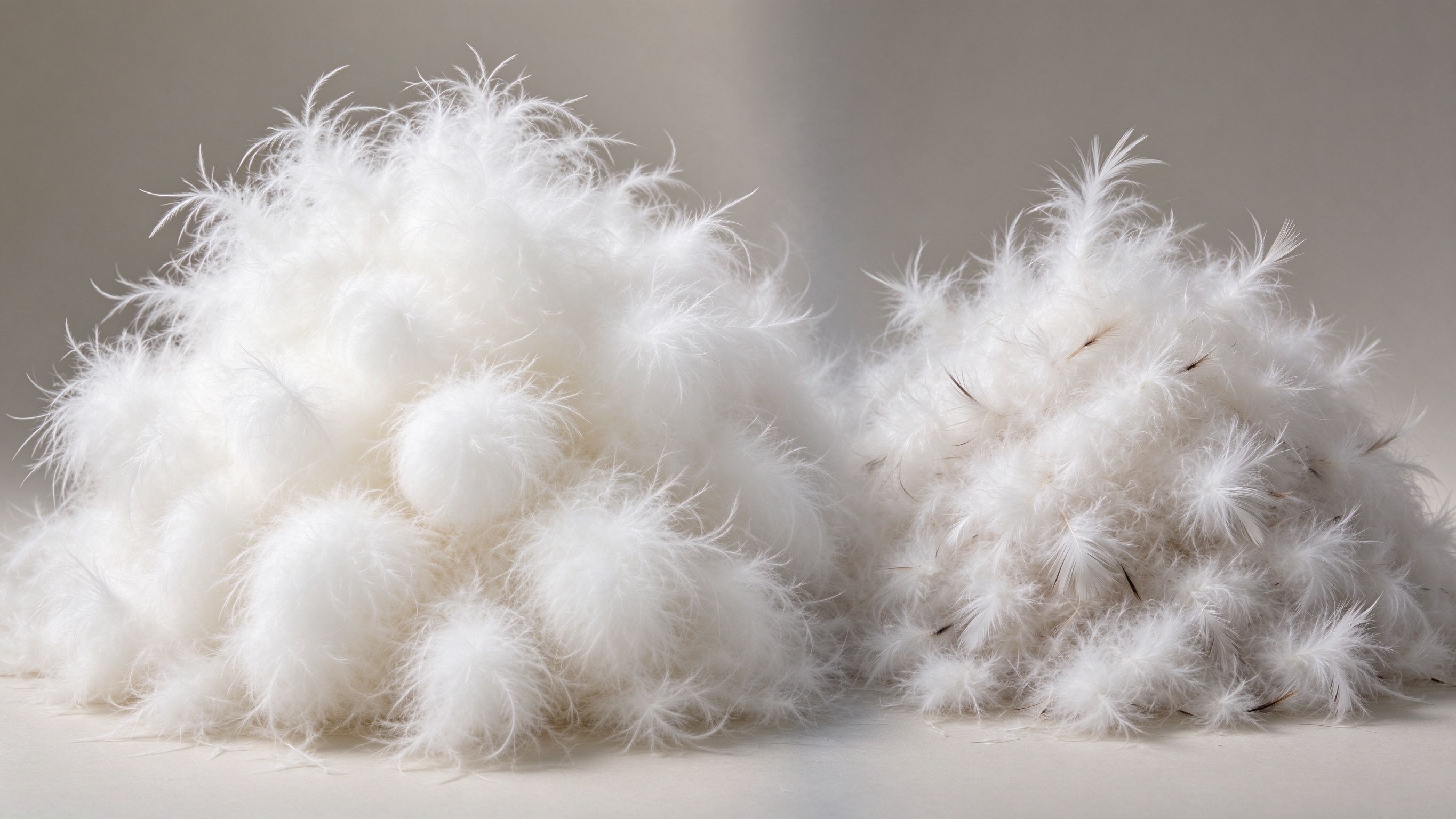
When you shop for a winter jacket, the fill label can feel like a secret code. Goose down. Duck down. 90/10. 700+ fill power. The terms blur together, yet they determine how warm, how light and how long your jacket lasts. Here is a straight comparison of goose down versus duck down, so you can read any spec sheet with confidence.
The Short Answer
Goose down is generally warmer, lighter and more durable than duck down because goose clusters are larger and loftier, which traps more warm air per ounce. That is why premium winter brands use European goose down. Quality duck down can still perform well for everyday city winters, but the specification matters more than the species alone.
What Actually Makes Down Warm
Down keeps you warm by trapping pockets of still air. The more air each cluster traps, the higher the fill power and the warmer the jacket per gram. Fill power measures how many cubic inches one ounce of down occupies when fully lofted. A 700+ rating means the clusters expand dramatically, creating deep, fluffy insulation that holds body heat against the cold.
Goose Down vs Duck Down: The Key Differences
- Warmth and Loft: Goose down clusters are larger and loftier, typically reaching 700 to 900 fill power. Duck down usually tops out around 500 to 650 fill power.
- Weight: Because goose clusters trap more air per ounce, a goose-down jacket delivers equal warmth with less filling - lighter and less bulky.
- Durability: Goose clusters are tougher and spring back better after repeated compression, so the jacket stays lofty for years instead of flattening.
- Odor and Moisture: Goose down generally has a milder natural odor and handles damp conditions slightly better, which matters on wet winter days.
- Price: Goose down costs more to source, which is why premium jackets use it while budget lines rely on duck.
What "90/10" and "700+ Fill Power" Really Mean
The 90/10 ratio means 90 percent down cluster and only 10 percent feather - feathers are heavy and add no warmth, so the higher the down percentage, the better the insulation. Combined with a 700+ fill power rating, 90/10 European goose down is the specification used by heritage alpine houses for their flagship winter coats.
Is Duck Down Ever the Right Choice?
Yes, in specific cases. Duck down is perfectly serviceable for milder winters, lighter jackets and more affordable price points, and some excellent coats use quality duck down. The key is to compare specifications honestly: check the down-to-feather ratio and fill power, not just the word "down" on the label. If you live somewhere that regularly drops below freezing, goose down's higher loft and durability justify the premium.
Why MYCOAT Uses European Goose Down
Every MYCOAT jacket is filled with 90/10 European white goose down at 700+ fill power - the same core specification used by luxury alpine brands - paired with water-repellent shells and premium YKK hardware, at a fraction of the price. Shipping cost is not included - contact us for a quote, and we will help you match the right jacket to your winter.
The Bottom Line
Goose down outperforms duck down on warmth, weight, durability and long-term loft, which is why premium outerwear uses it almost exclusively. But no single ingredient guarantees a great jacket - check the down ratio, the fill power and the shell, and you will make the right call every time.