The Journal · October 1, 2026
What Temperature Is a 700+ Fill Power Down Jacket Good For?
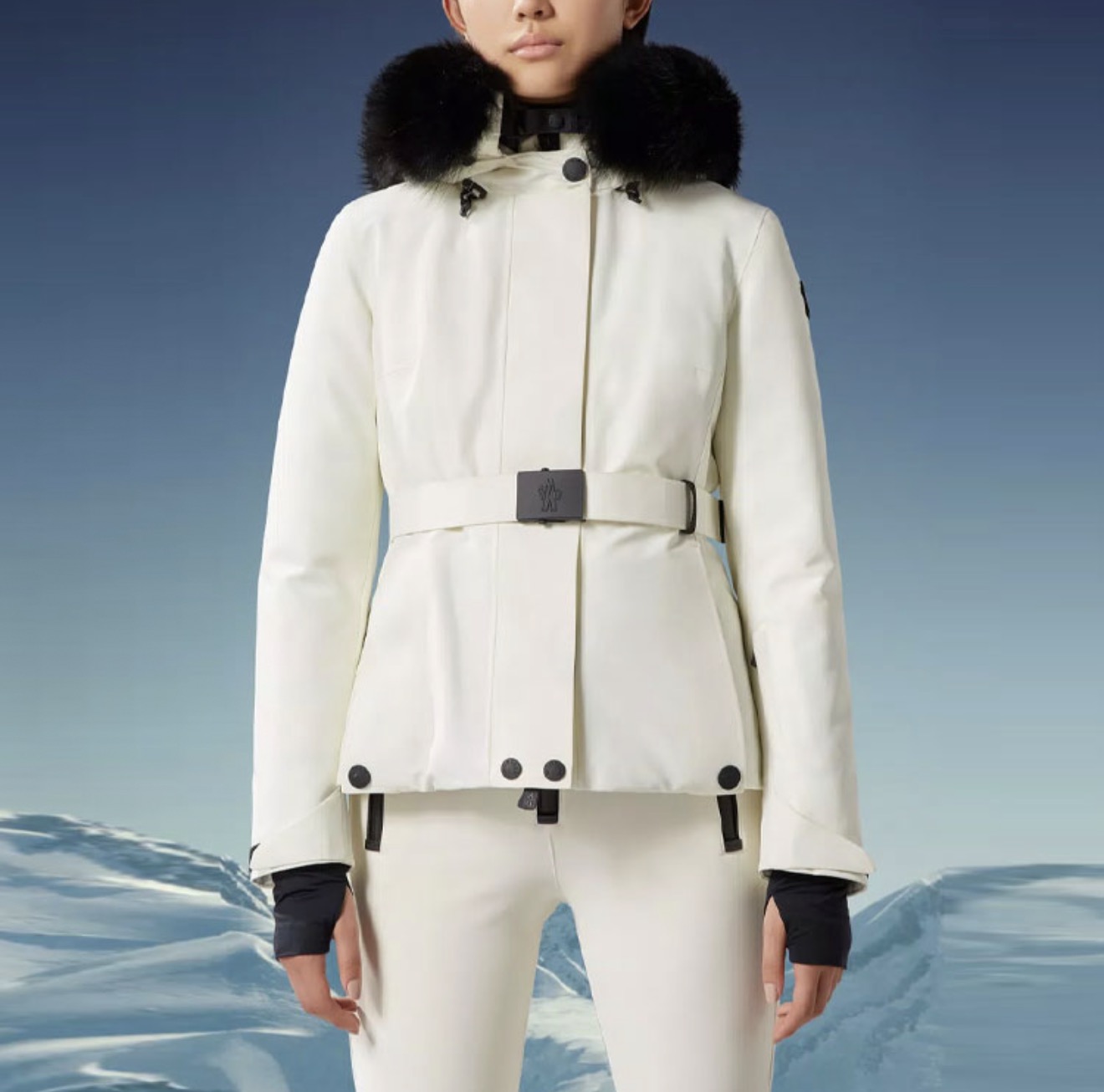
When the forecast drops below freezing, one question dominates every winter shopping search: how cold can a down jacket actually handle? The answer is never a single number, because warmth depends on fill power, insulation quality, shell construction, and what you wear underneath. Here is a practical, temperature-by-temperature guide to 700+ fill power goose down jackets, so you know exactly what you are buying before winter arrives.
The Short Answer
A 700+ fill power jacket filled with 90/10 European goose down is typically comfortable from around 0°C down to about -15°C for light to moderate activity, depending on the jacket's length, fit and shell. Layer it over a merino base layer and mid-weight fleece, and the same jacket can comfortably handle -20°C to -25°C. Add a hood, storm cuffs and a longer cut, and you are looking at genuine sub-zero alpine capability.
Why Fill Power Matters for Cold Weather
Fill power measures how many cubic inches one ounce of down occupies when fully lofted. A 700+ rating means the down clusters trap significantly more air than standard 500-600 fill insulation. More trapped air means more warmth with less weight, which is why premium winter coats rely on high fill power instead of simply adding bulk. Combined with a 90/10 down-to-feather ratio, 700+ fill power delivers maximum insulation per gram while keeping the jacket light enough for daily wear.
Temperature Ranges: What Works Where
- 0°C to -10°C (32°F to 14°F): A 700+ fill power short jacket over a t-shirt is already overkill-ideal. This is everyday city winter comfort.
- -10°C to -15°C (14°F to 5°F): The sweet spot for a 700+ fill power short or mid-length puffer with a base layer. Add a hood for windier days.
- -15°C to -20°C (5°F to -4°F): Choose a longer cut (mid-thigh or below) with a hood, plus a base and mid layer. The extra length protects your core and upper legs.
- -20°C to -30°C (-4°F to -22°F): Reach for a long parka with a windproof, water-repellent shell, storm placket and full hood. Layering is mandatory at this range.
The Layering Rule That Changes Everything
No single jacket is a magic number. The universal rule for extreme cold is three layers: a moisture-wicking base, an insulating mid layer, and the shell jacket as your weatherproof outer layer. A 700+ fill power puffer that feels like a city coat at -5°C becomes a serious winter weapon at -20°C when worn over merino and a fleece. Fit also matters - if the jacket is too loose, warm air escapes; if it is too tight, the down cannot loft fully.
Length, Fit and Weatherproofing Matter Just as Much
High fill power keeps you warm, but a premium shell keeps you dry and windproof. Look for water-repellent technical fabrics, a protective storm placket, cuffs that seal cold air, and robust YKK hardware. A longer silhouette - below the hip or knee - adds several degrees of effective warmth by protecting the torso's largest heat-loss zone. This is why a long glossy parka can outperform a short puffer even when both use identical 90/10 down.
Matching the Right MYCOAT Jacket to Your Winter
At MYCOAT, every jacket is filled with 90/10 European goose down at 700+ fill power, so the deciding factors are length, shell and hood. For city commutes down to -10°C, the short glossy Cyclone or the versatile Maya hooded styles are ideal. For colder, longer days, the mid-thigh Escaut or the below-knee Hudson and Blain parkas add the coverage that pushes comfort past -20°C when layered. Ski and mountain trips are covered by the Anglin and Bauges alpine series, built with stretch and 4-way movement in mind. Shipping cost is not included - contact us for a quote, and we will help you match the right piece to your climate.
The Bottom Line
A 700+ fill power down jacket is one of the most versatile winter investments you can make. It handles the moderate cold of urban winters with ease and, with the right length and layering, it performs in serious sub-zero conditions too. Focus on fill power, down ratio, length and shell construction, and you will stay warm from October to March without overpaying for a heritage label.